
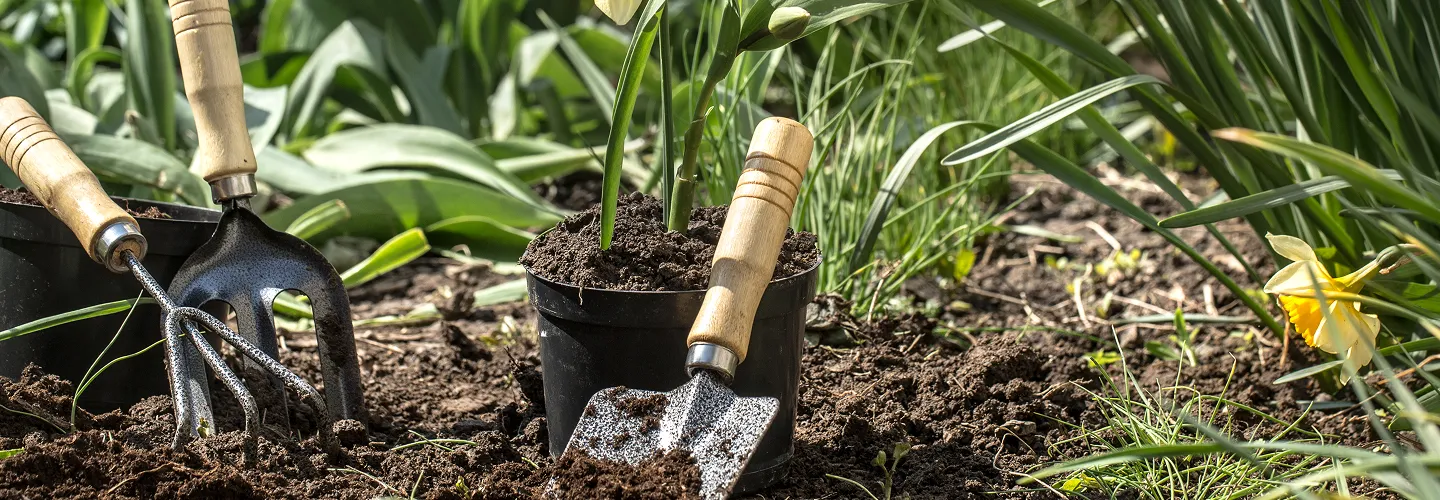
Angleton Flower Planting Services
Choose our flower planting services for vibrant, healthy blooms that enhance your curb appeal and bring lasting beauty to your outdoor spaces—our experienced team ensures every garden thrives with personalized care and attention.
Get a Free QuoteOur Angleton Landscaping & Yard Care Services
When to Schedule Flower Planting in Angleton, Texas – Seasonal Guide
In Angleton, Texas, timing your flower planting is crucial for vibrant, long-lasting blooms. The region’s subtropical climate means mild winters and hot, humid summers, so most residents in neighborhoods like Heritage Oaks and Rancho Isabella find early spring (late February to March) and early fall (late September to October) are the best windows for planting. These periods avoid the risk of late frosts and allow roots to establish before the intense summer heat arrives. Local soil, often a mix of clay and loam, retains moisture well but can become compacted, so amending beds before planting is recommended.
Environmental factors such as the average last frost date—typically mid-February—should guide your schedule. Angleton’s rainfall patterns, with heavier showers in spring and fall, help new plantings thrive, but drought risk in July and August means supplemental watering is often necessary. Areas near Angleton High School or Freedom Park may experience more shade from mature trees, affecting flower selection and timing. For more information on local planting guidelines and municipal restrictions, visit the official city resource.
Local Factors to Consider for Flower Planting in Angleton
- Tree density and shade coverage in your yard
- Soil type and drainage (clay, loam, or sandy areas)
- Average precipitation and drought risk
- Proximity to landmarks like Freedom Park or Heritage Oaks
- Municipal watering restrictions and planting ordinances
- Terrain slope and potential for water runoff
- Timing around the last frost and first heat waves
Benefits of Flower Planting in Angleton
Enhanced Curb Appeal
Increased Property Value
Expert Plant Selection
Seasonal Color Variety
Low Maintenance Solutions
Professional Landscape Design
Angleton Flower Planting Types

Annual Flower Beds
-
Perennial Garden Design
-
Native Wildflower Planting
-
Seasonal Color Rotations
-
Pollinator-Friendly Gardens
-
Shade-Loving Flower Arrangements
-
Drought-Tolerant Flower Selections
Our Flower Planting Process
Site Evaluation
Soil Preparation
Plant Selection
Careful Planting
Watering and Mulching
Why Choose Angleton Landscape Services
-
Angleton Homeowners Trust Us
-
Expert Lawn Maintenance
-
Reliable Scheduling
-
Competitive Pricing
-
Professional Team
-
Satisfaction Guarantee
-
Personalized Service
Soil Series and Drainage Considerations for Flower Planting in Angleton
Angleton’s predominant soils, including Lake Charles clay and Bernard-Edna complex, are characterized by high clay content, slow permeability, and a tendency toward seasonal waterlogging. These soils typically exhibit pH values ranging from 7.0 to 8.0, which can impact nutrient availability for flowering plants. Proper site preparation is essential: incorporate 2-3 inches of compost tilled to a 6-inch depth to improve drainage and organic matter. Soil testing is recommended through Texas A&M AgriLife Extension (typical cost: $15-25) to determine amendment needs. For areas with persistent drainage issues, raised beds at least 12 inches high are advised. Research local soil series using the USDA Web Soil Survey for site-specific recommendations.
Angleton Public Works Department
121 S. Velasco Street, Angleton, TX 77515
Phone: (979) 849-4364
Official Website: Angleton Public Works Department
Optimal Flower Planting Windows and Weather Patterns in Angleton
Angleton’s USDA Hardiness Zone 9a supports a wide range of annuals and perennials, but successful establishment depends on precise timing. Spring planting is best conducted from March 1 to April 15, when soil temperatures reach 60°F and the risk of frost has passed. Fall planting for perennials and bulbs should occur between October 1 and November 15, before soil temperatures drop below 55°F. Monitor local forecasts through the National Weather Service Houston/Galveston Office for rainfall and temperature trends. Avoid planting during June-August due to high heat stress and increased irrigation demands. Key timing guidelines:
- Spring: March 1 – April 15 (soil temp ≥ 60°F)
- Fall: October 1 – November 15 (soil temp ≥ 55°F)
- Avoid: June-August (heat, drought risk)
Native and Adaptive Flower Species Selection for Angleton’s Climate
Selecting species suited to Angleton’s climate and soils is critical for sustainable flower planting. Recommended native and adaptive species include:
- Full sun: Black-eyed Susan (Rudbeckia hirta), Gulf Coast penstemon (Penstemon tenuis), Indian blanket (Gaillardia pulchella)
- Partial shade: Turk’s cap (Malvaviscus arboreus), spider lily (Hymenocallis liriosme)
- Deer resistant: Autumn sage (Salvia greggii), mealycup sage (Salvia farinacea)
- Pollinator-friendly: Purple coneflower (Echinacea purpurea), milkweed (Asclepias tuberosa) Spacing should be 12-18 inches for annuals and 18-24 inches for perennials to ensure healthy growth and airflow. For additional guidance, consult Texas A&M AgriLife Extension plant selection resources.
Municipal Coordination and Compliance for Flower Planting Projects in Angleton
All flower planting activities in Angleton must comply with local ordinances regarding right-of-way, sightline setbacks, and property maintenance. Planting within 10 feet of public sidewalks or utility easements requires review by the city’s code enforcement. Equipment operation for landscape work is permitted:
- Monday-Friday: 7:00 AM – 7:00 PM
- Saturday: 8:00 AM – 6:00 PM
- Sunday and holidays: Prohibited Debris from planting projects must be placed in biodegradable bags or 32-gallon containers for Thursday curbside collection (April-November). Prohibited materials include plastic bags and branches over 4 inches in diameter. Permit applications for planting in public spaces are processed within 10 business days by the city’s development services division.
Angleton Code Enforcement Department
121 S. Velasco Street, Angleton, TX 77515
Phone: (979) 849-4364
Official Website: Angleton Code Enforcement Department
Environmental Compliance: Stormwater, Buffer Zones, and State Regulations
Flower planting in Angleton must adhere to stormwater management requirements under the Texas Water Code and the Clean Water Act. The city’s MS4 permit prohibits soil, mulch, or plant debris from entering storm drains. Maintain a 25-foot no-disturbance buffer from wetlands and a 50-foot setback from open water bodies such as Oyster Creek. Fertilizer and pesticide applications are restricted within these buffer zones. For projects near protected areas or drainage channels, coordinate with the city’s public works and reference Texas Commission on Environmental Quality guidelines.
Texas Commission on Environmental Quality
12100 Park 35 Circle, Austin, TX 78753
Phone: (512) 239-1000
Official Website: Texas Commission on Environmental Quality
What Neighborhoods Do We Serve Throughout Angleton, TX?
- Heritage Oaks: Features mature tree canopy and heavy clay soils, requiring raised beds and careful drainage management for successful flower planting.
- Northside: Newer developments with compacted fill soils and moderate drainage; soil amendment and aeration are often necessary before planting.
- Southside: Proximity to Oyster Creek increases flood risk and necessitates strict adherence to buffer zone regulations and stormwater controls.
- Central Angleton: Historic district with smaller lots, established landscaping, and frequent utility easements; compliance with setback and right-of-way rules is essential.
- Westside Estates: Larger lots with variable soil conditions, including sandy loams and clay pockets; plant selection should be tailored to micro-site conditions.
- Angleton Lakes: Neighborhood adjacent to wetlands and conservation areas, requiring special attention to environmental compliance and native species use.
- Bastrop Bayou Area: Low-lying properties with high water table and periodic flooding; raised beds and flood-tolerant species are recommended.